


CELLULAR ENERGY
7 Things You Should Know About NAD+ and Cellular Energy
NAD+ is one of the most important molecules in your body. Here's why your levels matter more than you think — and what you can do about it.
By Dr. Sarah Mitchell
8 min read
Reviewed by TR1 Science Team
E
very cell in your body runs on energy — and at the center of that energy production is a molecule called NAD+. Without it, your mitochondria can't do their job. Your cells can't repair themselves. You feel it as fatigue, brain fog, and a body that just won't perform the way it used to.
The problem is, NAD+ levels drop significantly as we age — and most people have no idea. By the time you're 40, you may have half the NAD+ you had at 20. This article breaks down what that means for your energy, focus, and longevity — and what the science says about restoring it.
01
NAD+ Is the Engine Behind Every Cell's Energy
NAD+ — or nicotinamide adenine dinucleotide — is a coenzyme found in every living cell. It's the essential cofactor for hundreds of metabolic reactions, but its most critical role is in the production of ATP: your body's cellular energy currency.
Without adequate NAD+, your mitochondria can't efficiently run the Krebs cycle or the electron transport chain. The result isn't just tiredness — it's a systemic slowdown in cellular repair, immune function, and metabolic efficiency.
NAD+ doesn't just give you energy — it's how your cells convert the food you eat into the fuel you actually use.
02
Your NAD+ Levels Drop Dramatically With Age
Research shows that NAD+ concentrations decline by roughly 50% between your 20s and 40s — and continue falling. This isn't a subtle shift. It's a fundamental change in how much cellular fuel you have available for everything from physical performance to cognitive clarity.
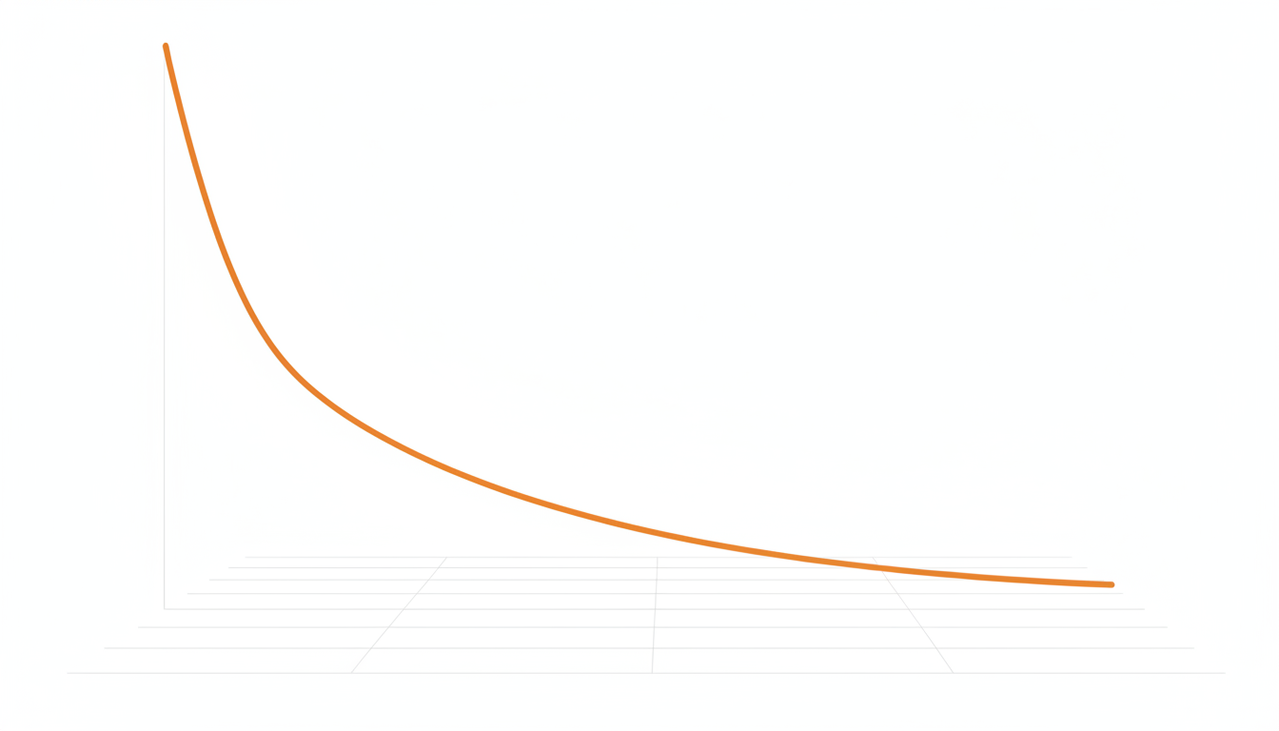
Figure 1: NAD+ levels by age — data suggests a ~50% drop by age 40.
Studies in animal models have shown that restoring NAD+ levels can reverse many markers of cellular aging. While human research is still emerging, the correlation between declining NAD+ and the hallmarks of aging is striking.
03
Cellular Energy Outlasts the Caffeine Spike
Caffeine works by blocking adenosine receptors — essentially masking fatigue signals. When it wears off, the accumulated adenosine floods back and the crash hits. It's borrowed energy, not generated energy. NAD+-driven ATP production is fundamentally different.
When your cells have adequate NAD+, they produce genuine biochemical energy through oxidative phosphorylation. This is sustained, substrate-level energy. The difference in how you feel is meaningful: cleaner focus, more even stamina, no afternoon slump chasing the next hit of caffeine.
04
Most NAD+ Supplements Have an Absorption Problem
Here's the issue most brands don't advertise: oral NAD+ supplements have poor bioavailability. When you swallow a standard NAD+ capsule, digestive enzymes and stomach acid break down a significant portion of the active compound before it can be absorbed into the bloodstream.
This is why many people report underwhelming results from standard NAD+ pills. The dose on the label rarely reflects the dose your cells actually receive. You can take 500mg and absorb a fraction of it.
The dose on the label is not the dose your cells see. For NAD+, absorption method matters as much as the amount.
IV NAD+ therapy bypasses digestion entirely, which is why it works — but it's expensive, inconvenient, and requires clinical administration. For daily use, there had to be a better way.
05
Liposomal Delivery: The Absorption Solution
Liposomal technology encapsulates the NAD+ molecule inside a phospholipid bilayer — essentially a tiny fat bubble that mirrors the structure of your own cell membranes. Because the delivery vehicle is structurally compatible with your cells, it bypasses enzymatic breakdown in the gut and merges directly into the cell wall.
The result is dramatically higher bioavailability compared to standard oral supplements. Clinical research on liposomal delivery systems has shown absorption rates that rival or exceed IV delivery in some compounds — at a fraction of the cost and without needles.
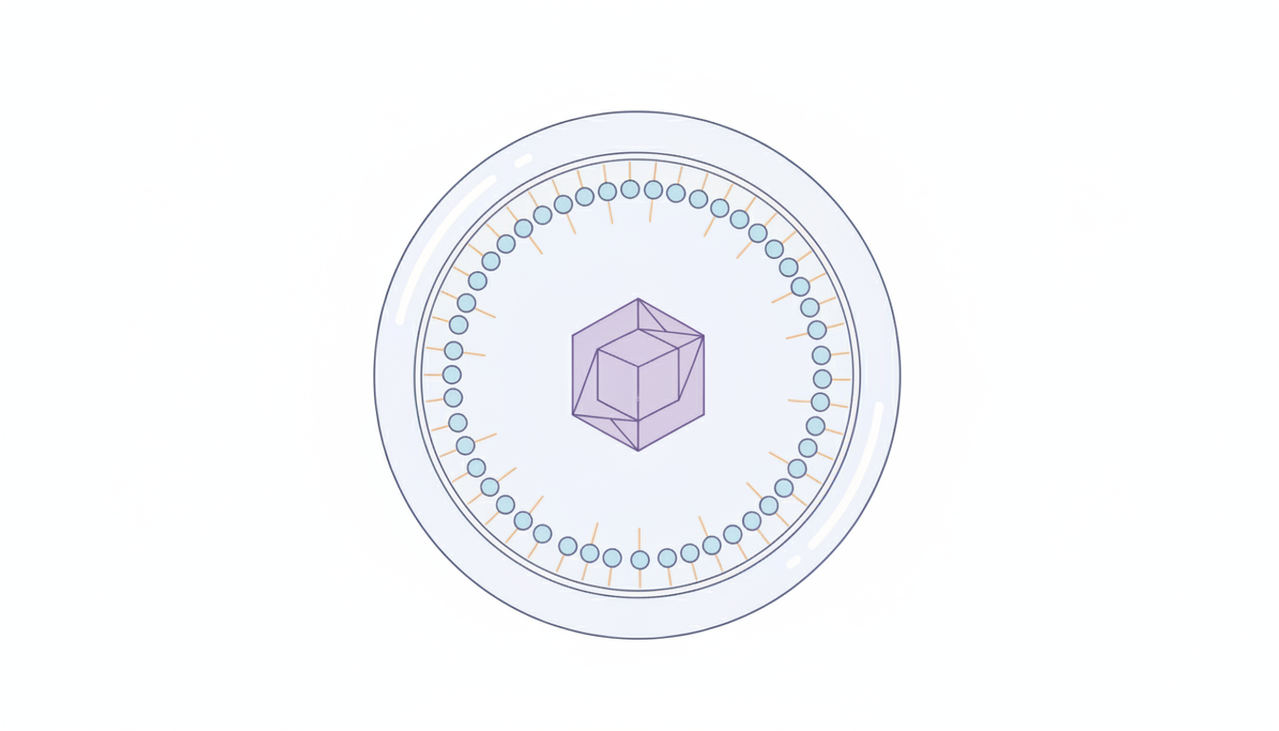
Figure 2: Liposomal encapsulation — NAD+ protected inside a phospholipid shell.
06
The Case for Daily, Absorbable NAD+
Given what we know about declining NAD+ levels and the limitations of standard oral supplements, the logical conclusion is clear: if you want to actually restore cellular NAD+, you need a form your body can absorb — consistently, daily, without a needle.
Liposomal NAD+ checks all three boxes. It's oral, highly bioavailable, and designed for daily use. For the first time, you can get IV-comparable absorption in a supplement you take at home.
TR1
IV Therapy
Pills
Absorption
High (liposomal)
Very High (IV)
Low (~10-20%)
Convenience
Daily at home
Clinical visit required
Daily at home
Cost
Affordable
$$$$
Low
Needle-free
✓
✗
✓
07
The Benefits Go Beyond Energy
When NAD+ levels are optimized, the most immediate effect most people notice is energy — but not the jittery, anxious kind. It's a clean metabolic vitality: mitochondria firing efficiently, steady ATP output throughout the day, no energy peaks and valleys.
NAD+ also plays a critical role in neurological function. It activates sirtuins — proteins involved in DNA repair and gene expression regulation — which support the kind of sustained mental clarity and processing speed that caffeine can only simulate. Cognitive benefits reported include faster recall, improved concentration, and reduced mental fatigue.
For physical performance and recovery, NAD+ supports the cellular repair mechanisms that rebuild muscle tissue and reduce oxidative stress post-exercise. Athletes and biohackers have noted faster recovery windows and reduced delayed onset muscle soreness (DOMS) when supplementing with bioavailable NAD+.
Disclaimer: These statements have not been evaluated by the Food and Drug Administration. This product is not intended to diagnose, treat, cure, or prevent any disease.
The information provided in this article is for educational purposes only and is not intended as medical advice. Always consult with a qualified healthcare professional before starting any new supplement regimen.
